Access Control vs Traditional Locks for Commercial Buildings
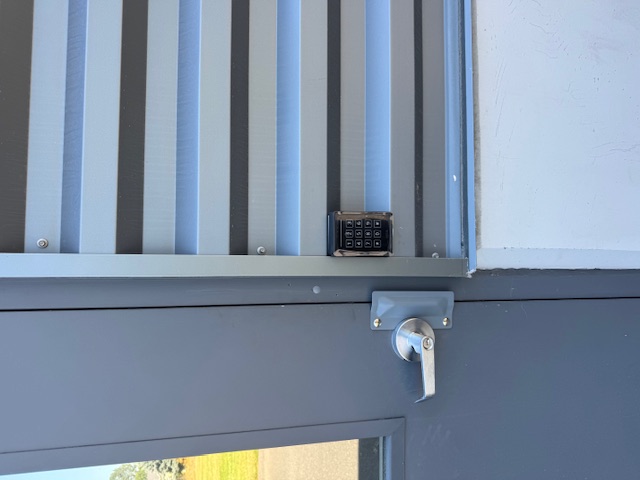
Traditional locks still work in many buildings, but they create limits when more people, more doors, and more operational complexity are involved. That is where access control systems start to make more sense.
For some small, simple spaces, keys may still be enough. But in commercial buildings, schools, mixed-use properties, and facilities with frequent staffing or schedule changes, key-based entry often becomes harder to manage than owners expect. The question is usually not whether a key can unlock a door. It is whether that method still supports the way the building actually operates.
Where traditional locks fall short
Physical keys can be lost, copied, or left unreturned. They also make it harder to change access for staff, vendors, or tenants without replacing hardware or rekeying doors.
That becomes a bigger issue as the building grows more complex. Offices with staff turnover, schools with multiple user groups, and commercial properties with shared areas all create scenarios where a traditional lock system starts to feel rigid. If one person should access one area but not another, or if schedules matter, keys usually do not offer much flexibility.
Where access control helps
Access control systems help buildings manage permissions by user, role, area, or schedule. They also create better visibility into who can enter and how entry is managed over time.
That means a building can grant or remove access without rekeying, limit entry to specific hours, control sensitive areas more intentionally, and create a more manageable credential process across staff and vendors. For many owners, the operational control is just as important as the security benefit.
What commercial access control changes operationally
A commercial access control system changes the way entry decisions are made. Instead of relying on a physical key that either works or does not, the building can apply permissions by person, department, door, or schedule. That is useful for offices, healthcare-adjacent spaces, educational buildings, industrial facilities, and multi-tenant properties that need more structured entry management.
It also creates a cleaner process around staff changes. When someone leaves, changes roles, or no longer needs access to a certain area, the system can be updated without starting over at the door hardware level.
When traditional locks may still be enough
Traditional locks may still make sense on low-risk, low-complexity doors where schedule control and user management are not major concerns. The point is not that every door in every building needs access control. The point is that once operational complexity increases, keys often stop being the easiest option.
Commercial offices, schools, industrial buildings, and multi-tenant properties often benefit most when entry control needs to be more structured.
How to decide which direction fits your building
If the building only needs a simple lock at a low-priority door, a traditional approach may still be fine. But if you are dealing with lost keys, shared users, restricted zones, schedule-based entry, or a growing need for oversight, access control usually starts to justify itself quickly.
Talk with PSS Controls if your building is outgrowing traditional keys.