How Access Control and Surveillance Work Together
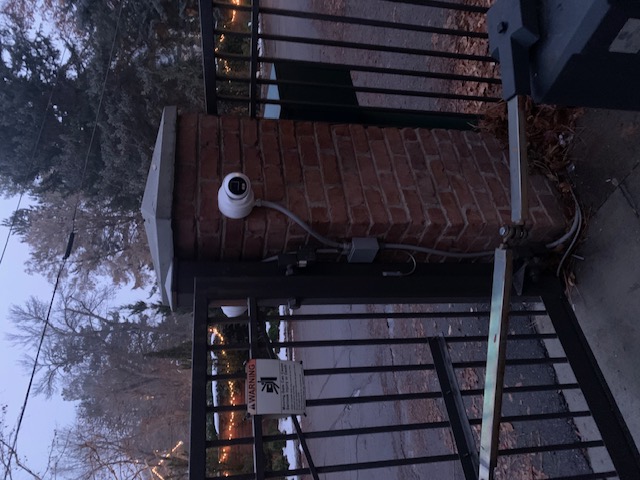
Access control and surveillance systems solve different problems, but they are often strongest when they are planned together.
One system helps manage who should be allowed into the building or a restricted area. The other helps create visibility into what happened before, during, or after activity at those same spaces. When a property treats them as one coordinated security conversation instead of two unrelated upgrades, the result is usually more useful operationally.
What access control improves
It manages who can enter, which doors are controlled, and how permissions are assigned across users, teams, or schedules.
That is the identity and authorization side of building security. A commercial access control system helps owners define who should have entry, when access should be active, and which doors or areas need tighter control than others.
What surveillance improves
It provides visibility into what happened at entries, in common spaces, and across the property when activity needs to be reviewed.
That is the visibility and verification side of security. A surveillance camera system helps the property see activity at key moments, review incidents more clearly, and maintain better awareness around entries, parking lots, gates, shared spaces, and other important areas.
Why customers combine them
Together, these systems give buildings stronger entry oversight and better visibility into property activity. For offices, schools, industrial buildings, and multi-tenant sites, that combination can create a cleaner overall security foundation.
Put simply, access control helps answer who should be there, while surveillance helps answer what actually happened. That overlap is why the two systems are commonly planned together on Utah commercial security projects.
Where the combination makes the biggest difference
The value is easiest to see at front entries, staff-only doors, gate entries, loading areas, restricted interior spaces, and public-facing parts of a property where activity needs to be both managed and reviewed. Schools, offices, industrial properties, and multi-tenant buildings often benefit most because those spaces usually have both access concerns and visibility concerns at the same time.
It also helps when incidents need context. If a door event, entry question, or after-hours activity comes up, camera coverage near controlled entry points gives the building a better way to understand what took place.
How to plan both systems more effectively
Buildings should avoid treating access control and surveillance as separate afterthoughts. It is usually better to identify the critical entry points, decide what oversight matters most, and then plan credential management and camera coverage around those priorities together.
Talk with PSS Controls if your project involves both controlled entry and camera planning.