How Building Controls Help Facility Managers
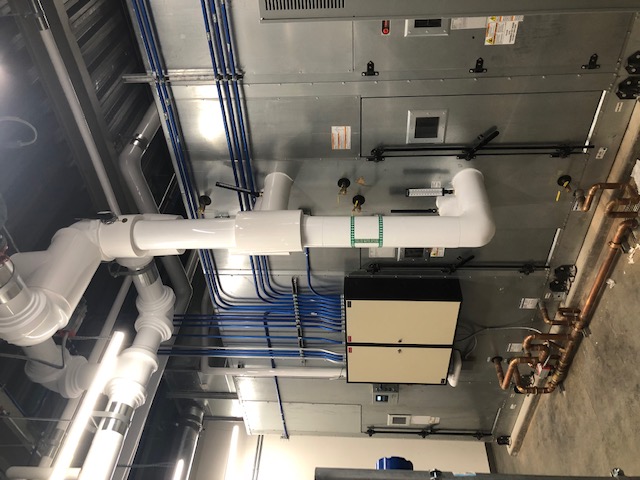
Facility managers deal with comfort complaints, occupancy changes, scheduling issues, and operational expectations across active buildings. Better building controls help make those responsibilities easier to manage.
That is why building controls are often less about adding technology and more about reducing friction. When a facility team can see more, schedule more effectively, and respond to issues with better system context, the building becomes easier to operate day to day.
Stronger visibility into the building
Controls help facility teams understand how different spaces are behaving instead of relying only on manual adjustments or disconnected equipment behavior.
For a facility manager, that visibility matters because it reduces guesswork. Instead of reacting only after complaints come in, teams can better understand whether schedules, zones, or system behavior are contributing to a problem.
More consistent indoor comfort
When controls are planned well, facility teams can manage comfort more consistently across different parts of the building and reduce the constant need for reactive changes.
That does not mean every part of the building will behave identically. It means the team has a better chance of aligning comfort conditions with how the building is actually occupied. In commercial offices, schools, and public buildings, that can significantly reduce day-to-day frustration.
Cleaner scheduling
Scheduling matters in schools, offices, public buildings, and commercial facilities. Better controls make it easier to match building behavior to occupancy patterns.
Scheduling is one of the most practical benefits of HVAC controls and building automation support. If occupancy shifts throughout the week, if some areas are used after hours, or if certain spaces need different operating windows, better controls help facility managers respond without making constant manual changes.
Fewer reactive adjustments
When controls are weak, facility teams often end up stuck in a reactive cycle: complaint, adjustment, short-term fix, repeat. Better building controls can help break that pattern by making the building more predictable and the control strategy more intentional.
When facility teams usually start exploring an upgrade
Common triggers include constant comfort complaints, inconsistent temperatures between spaces, schedules that never quite match occupancy, and limited insight into how the system is behaving. Those are not just annoyance issues. They often signal that the controls side of the building deserves more attention.
If your facility team needs better oversight, PSS Controls can help review building controls options.