What Are HVAC Controls in Commercial Buildings?
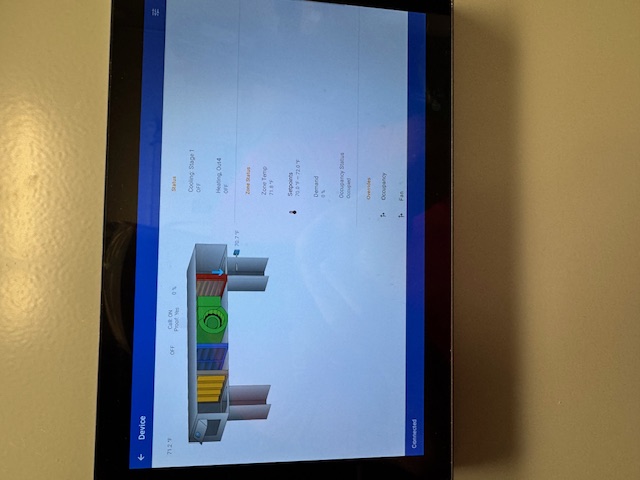
HVAC controls are the systems that help building teams manage temperature, scheduling, and overall control of indoor environments. In commercial buildings, they play a major role in occupant comfort and day-to-day oversight.
Instead of treating heating and cooling as a simple on-or-off function, controls help a property manage different spaces more intentionally based on occupancy and building use.
What they usually help with
Temperature management, schedules, zone behavior, and better visibility into how the building is operating. That makes it easier for property managers and facility teams to respond to building needs more consistently.
A commercial HVAC controls system can give a building a better way to match indoor comfort with real occupancy patterns instead of relying on constant manual adjustment. That is one reason building owners often look into HVAC controls when comfort complaints, energy waste, or uneven scheduling become recurring issues.
What commercial HVAC controls include
Depending on the property, HVAC controls may include thermostats, sensors, scheduling logic, zone management, interface panels, building management connections, and related control devices that influence how the heating and cooling system responds. The goal is not to make the system more complicated. It is to make it more manageable.
In practice, that means the building can respond differently at different times of day, in different areas, or under different occupancy conditions. A school, office, mixed-use property, or public building may all need different control strategies even if they share similar equipment types.
When a building may need better controls
If spaces feel inconsistent, schedules are difficult to manage, or teams have limited oversight into system behavior, HVAC control improvements may be worth reviewing.
Buildings often start reviewing controls when some areas are too hot, others are too cold, schedules are hard to keep aligned with real building use, or facility teams feel like they are constantly reacting rather than managing proactively. Those are often signs that the control side of the system is not supporting operations as well as it should.
Why controls matter beyond comfort
Indoor comfort is the most obvious result, but it is not the only one. Better controls can also improve visibility for facility teams, make scheduling cleaner, reduce unnecessary overrides, and support more consistent building behavior over time. For commercial properties, that operational benefit is often the real value.
Who benefits most from better building controls
Schools, offices, industrial facilities, public buildings, and multi-zone commercial properties are often the best fit because they usually have varying occupancy needs and more than one comfort condition to manage. The more complex the building rhythm becomes, the more important controls typically become too.