What Does a Low Voltage Contractor Do?
A low voltage contractor works on systems that help buildings stay secure, connected, comfortable, and easier to manage. That often includes systems like access control, surveillance cameras, fire alarm systems, and HVAC controls.
For building owners and facility teams, the value of a low voltage contractor is not just the wiring or hardware. It is the ability to plan systems around how the building actually functions and how people use the property every day.
Common systems a low voltage contractor handles
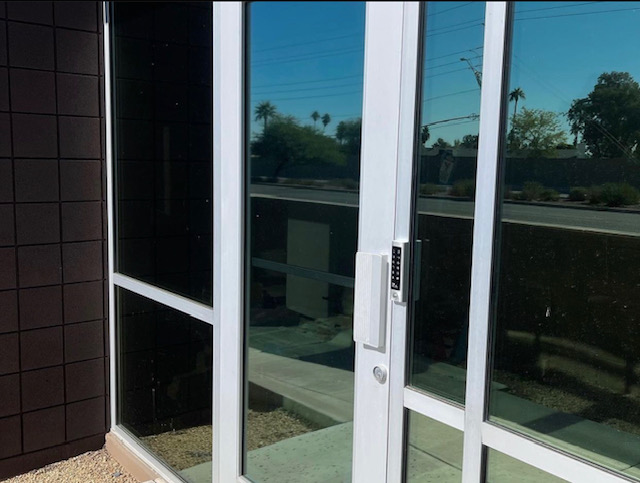
Access control systems manage doors, permissions, and building entry. Surveillance systems improve visibility and recording. Fire alarm systems support life safety. HVAC controls help building teams manage temperature and scheduling more effectively.
Depending on the property, a Utah low voltage contractor may also coordinate intercom systems, gate entry systems, building automation support, AV and data cabling, video monitoring, and related communication infrastructure. The exact mix depends on the building type, the project scope, and how much coordination the owner wants under one contractor.
What a commercial low voltage contractor actually does on a project
On a real project, the work usually starts well before devices are installed. A commercial low voltage contractor reviews the building layout, the operational goals, the critical entries or spaces, and any constraints created by occupancy, construction schedule, or existing infrastructure. That planning step matters because the right system on paper can still be the wrong system if it does not fit how the building is used.
From there, the contractor helps shape scope, device placement, cabling paths, equipment selection, coordination with other trades, installation sequencing, programming, and testing. For access control projects that may mean readers, door hardware, permissions, and schedules. For surveillance work that may mean camera coverage planning, recording strategy, and remote visibility. For HVAC controls it may involve control devices, zone behavior, scheduling, and interface planning.
Why customers hire one
Customers usually need a low voltage contractor when they are opening a new facility, upgrading an older system, renovating a building, or trying to improve security and operational visibility without managing multiple separate vendors.
That is especially true in active commercial buildings, schools, industrial environments, and public-facing properties where systems affect daily operations. Owners are not just buying equipment. They are trying to reduce friction around entry, visibility, comfort, communication, or life safety.
When building owners start looking for low voltage help
Most building owners do not start by searching for a contractor because they suddenly want more hardware. They start because keys are becoming harder to manage, cameras no longer cover the right areas, building comfort is inconsistent, or an older fire alarm or controls setup no longer fits the property well. In other cases, a renovation, expansion, tenant change, or new construction project makes the system conversation unavoidable.
In Utah, that often means searching for terms like low voltage contractor, access control installer, surveillance camera contractor, HVAC controls contractor, or fire alarm contractor. Those searches all point back to the same underlying question: who can plan and install the right systems for this building without creating avoidable problems later?
Why one coordinated contractor can matter
Some projects only involve one scope, but many do not. A building may need controlled entry at key doors, cameras at entries and perimeter areas, improved building controls, and communication hardware that all have to fit together cleanly. When those decisions are made in isolation, it is easy to end up with duplicated effort, awkward handoffs, or systems that technically work but do not support operations well.
Working with one experienced low voltage contractor can simplify that process. It creates a clearer line of accountability, a more consistent planning process, and a better chance that the final system matches the building instead of forcing the building to work around the system.
What to ask before hiring a low voltage contractor
Owners and facility teams should ask what system types the contractor handles most often, whether they work in occupied buildings, how they approach upgrades versus new installations, and whether they can coordinate multiple low voltage scopes. It also helps to ask how support, testing, and handoff are handled once installation is complete.
If your property needs entry control, monitoring, building controls, or life-safety support, PSS Controls can help you review the next step.