What to Expect During a Commercial Low-Voltage Installation
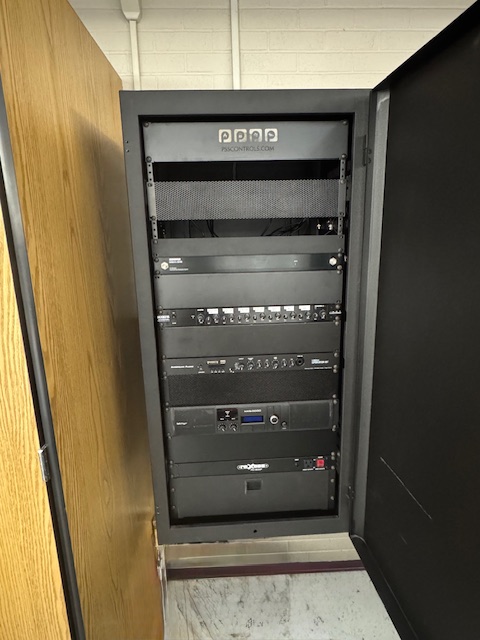
Commercial low-voltage work usually starts with a site review and a clear understanding of what the building needs most. That might include access control, surveillance, HVAC controls, or fire alarm systems.
For building owners and facility teams, the biggest concern is usually not whether equipment can be installed. It is whether the commercial low-voltage installation will be organized, predictable, and workable inside a real building with daily operations still happening. That is why the process matters as much as the hardware.
1. Site review and project planning
The first step is understanding the building, the priority systems, the areas that matter most, and any limitations created by occupancy, schedule, or existing infrastructure.
This is where a contractor should be asking practical questions. Which entries matter most? Which areas need camera coverage? How is the building occupied during the day? What work has to happen after hours? What existing infrastructure can stay, and what no longer makes sense? Better planning at this stage usually means fewer surprises later.
2. System layout and scope definition
Once the project is understood, the system layout and installation approach are matched to how the building is used. This is where door locations, camera positions, control interfaces, and related equipment decisions are shaped.
For access control, that may mean identifying the right doors, credential types, and schedule logic. For surveillance, it often means deciding which entries, hallways, parking areas, or perimeter zones matter most. For HVAC controls, it means aligning control points and scheduling needs with how the building actually functions.
3. Installation and programming
The physical installation is only part of the job. Many low-voltage systems also need programming, permissions, scheduling, testing, and alignment with the property’s daily operations.
On occupied sites, this phase may be staged to reduce disruption. Some work may happen during lower-traffic hours. Some devices may be installed first and configured later. The exact rhythm depends on the building type, but the goal should be the same: complete the project without creating unnecessary friction for staff, occupants, or customers.
4. Testing, handoff, and next steps
Before a project feels complete, customers need confidence that the system works the way the building needs it to. That usually means testing, walkthroughs, and a clear handoff process.
That handoff should not feel like an afterthought. If the project includes access control, users should understand the permission structure and how changes are handled. If the project includes cameras, stakeholders should understand visibility, storage, and review basics. If it includes controls, teams should understand the schedules or interfaces they will use. A smooth handoff often determines how successful the project feels after installation is over.
What can affect the timeline
Commercial low-voltage timelines can shift based on building access, occupied-hours restrictions, existing infrastructure conditions, coordination with other trades, and how many systems are being installed at once. That does not mean a project is off track. It means realistic planning should account for the building, not just the hardware list.
How owners can prepare before work starts
Owners and facility teams can make the process smoother by clarifying priorities early, identifying any occupancy restrictions, confirming key contacts, and outlining which spaces or systems matter most operationally. The more clearly those details are defined up front, the easier it is for the contractor to plan around them.
If your building is preparing for a low-voltage installation, PSS Controls can help you review what the process should look like.