Which Buildings Benefit Most From Access Control?
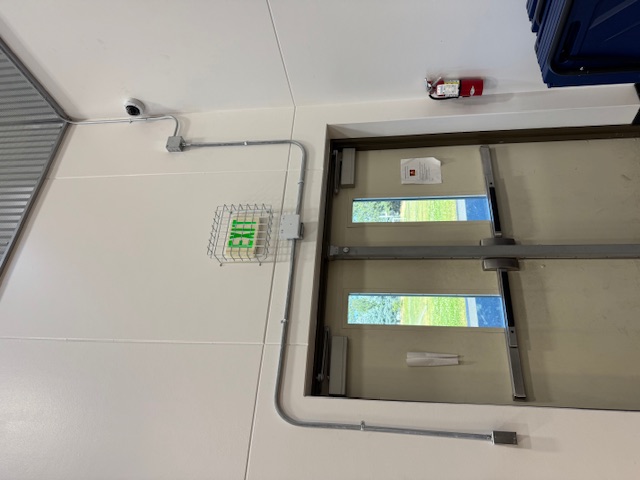
Any building that needs more structured entry control can benefit from access control, but some property types see the value especially quickly.
The reason is simple: the more people, doors, schedules, vendors, or restricted areas a building has, the harder it becomes to manage entry with keys alone. A commercial access control system gives owners and facility teams a better way to handle those moving parts without relying on manual workarounds.
Office buildings
Offices often need a cleaner way to manage employee access, visitor areas, and shared workspaces without relying on keys alone.
That is especially true when different departments need different permissions, when suites share common areas, or when staff schedules are not uniform. Controlled entry can make office access easier to manage while still keeping the building usable for the people inside it.
Schools and educational facilities
Educational properties often need more intentional control over who can enter, when doors are unlocked, and how staff access different building areas.
In schools, the conversation is rarely about one door. It is about front entry management, staff access, after-hours use, sensitive areas, and a more consistent way to handle campus movement. That is why access control is often one of the first security upgrades educational environments evaluate.
Industrial and operations-driven sites
Industrial properties often need restricted access around operations, equipment, staff zones, and perimeter-sensitive areas.
When operations, inventory, equipment, or safety-sensitive zones are involved, access decisions have real consequences. Access control helps those sites manage who gets into which parts of the property and when, without relying entirely on physical key control.
Multi-tenant and public-facing properties
Buildings with multiple users, vendors, or regular public traffic benefit when entry is easier to manage by role, schedule, or door grouping.
That includes shared offices, mixed-use buildings, community facilities, and commercial properties with different levels of access needs throughout the day. In those settings, a managed system usually becomes more practical than trying to keep key control perfectly organized.
Good indicators that access control is worth considering
If the building regularly deals with lost keys, staff turnover, restricted areas, schedule-based access, vendor entry, or too many doors to manage manually, access control is usually worth evaluating. Those problems are often the signal that the building has outgrown a basic key-only approach.
The best access control candidates are usually not buildings chasing technology for its own sake. They are buildings that need cleaner day-to-day control over who enters, where they can go, and how that access is changed over time.
If your property is outgrowing keys, PSS Controls can help evaluate whether access control makes sense.